Buy e-mediate.eu ?
We are moving the project
e-mediate.eu .
Are you interested in purchasing the domain
e-mediate.eu ?
domain@kv-gmbh.de · 0541-91531010
Buy e-mediate.eu ?
What are sister chromatids exactly?
Sister chromatids are two identical copies of a single chromosome that are produced during DNA replication. They are held together at the centromere and are crucial for the accurate distribution of genetic material during cell division. Sister chromatids are separated and pulled to opposite ends of the cell during mitosis or meiosis, ensuring that each daughter cell receives an identical set of chromosomes. **
How many chromatids does a cell have?
A cell typically has 92 chromatids during the metaphase stage of mitosis. This is because each chromosome is made up of two sister chromatids that are joined together at the centromere. Therefore, when a cell has 46 chromosomes, it will have a total of 92 chromatids. **

Similar search terms for Chromatids
Top-Angebote
Products related to Chromatids:
-
HARPERCOLLINS Creative Confidence by Tom & David Kelley – Unleashing Your Creative Potential & Innovation MindsetA powerful and inspiring book from the founders of IDEO, the award-winning design firm, on unleashing the creativity that lies within each and every one of us. Too often, companies and individuals assume that creativity and innovation are the domain of the ‘creative types’. But two of the foremost experts in innovation, design and creativity on the planet show us that each and every one of us is creative. In an entertaining and inspiring narrative that draws on countless stories from their work at IDEO, and with many of the world's top companies and design firms, David and Tom Kelley identify the principles and strategies that will allow us to tap into our creative potential in our work lives, and in our personal lives, allow us to think outside the box in terms of how we approach and solve problems. ‘Creative Confidence’ is a book that will help each of us be more productive and successful in our lives and in our careers.4,95 £*Shipping: 1,99 £Secure redirect to the provider
-
Yealink MeetingBoard 65-inch 4K Interactive Collaboration Display (MB65-A001)Yealink MeetingBoard 65 (MB65-A001): a 65-inch 4K Ultra HD LED-backlit interactive touch display for meeting rooms, with built-in camera, microphone array and speakers for Microsoft Teams Rooms and Zoom Rooms. Runs Android with a built-in processor and Wi-Fi.3896,99 £*Shipping: 0,00 £Secure redirect to the provider
-
Dell Pro Silent Wired Collaboration Keyboard KB525C UK QWERTY - BlackProfessional wired collaboration keyboard featuring spill-resistant design and silent key switches. Includes 15 programmable shortcut keys, dedicated Copilot key, and volume controls for enhanced productivity. Full numeric keypad and UK QWERTY layout with comprehensive 3-year NBD Advance Exchange support.45,99 £*Shipping: 0,00 £Secure redirect to the provider




-
How many chromatids does a human have?
A human typically has 46 chromatids, which are the replicated strands of DNA that make up the chromosomes. This is because humans have 23 pairs of chromosomes, and each chromosome consists of two sister chromatids joined together at the centromere. During cell division, these chromatids separate and are distributed to the daughter cells, ensuring that each cell receives the correct number of chromosomes. **
-
How many chromatids does a germ cell have?
A germ cell typically has 46 chromatids, which are formed from 23 pairs of chromosomes. During cell division, these chromatids separate and are distributed equally to form gametes (sperm or egg cells) with 23 chromosomes each. This process ensures that when two gametes combine during fertilization, the resulting zygote will have the correct number of chromosomes for normal development. **
-
What is the difference between chromosomes and chromatids?
Chromosomes are the structures that contain the genetic material of an organism, and they are made up of two identical sister chromatids that are held together by a centromere. Chromatids are the two identical copies of a chromosome that are produced during the process of DNA replication. When a cell is preparing to divide, the two chromatids separate and become individual chromosomes. Therefore, the main difference between chromosomes and chromatids is that chromatids are the duplicated copies of a chromosome, while chromosomes are the condensed and organized form of the genetic material. **
-
How is the mapping of chromatids done in biology?
In biology, the mapping of chromatids is done through a process called genetic mapping. This involves determining the order and relative distances between genes located on the same chromosome. By analyzing the frequency of genetic recombination events that occur between different genes during meiosis, scientists can create a genetic map that shows the relative positions of these genes along the chromosome. This mapping helps researchers understand the inheritance patterns of specific traits and can provide insights into genetic disorders and evolutionary relationships. **


What is the difference between chromosomes and sister chromatids?
Chromosomes are the condensed and coiled form of DNA that is present in the nucleus of a cell. They are made up of two sister chromatids, which are identical copies of each other formed through DNA replication. Sister chromatids are held together by a structure called the centromere. During cell division, sister chromatids separate and become individual chromosomes, which are then distributed to daughter cells. **
How many chromatids are there in the S phase?
In the S phase of the cell cycle, each chromosome consists of two sister chromatids. This means that there are a total of four chromatids for each chromosome during the S phase. The sister chromatids are exact copies of each other and are held together by a structure called the centromere. This duplication of genetic material is a crucial step in preparation for cell division. **
Top-Angebote
Products related to Chromatids:
-
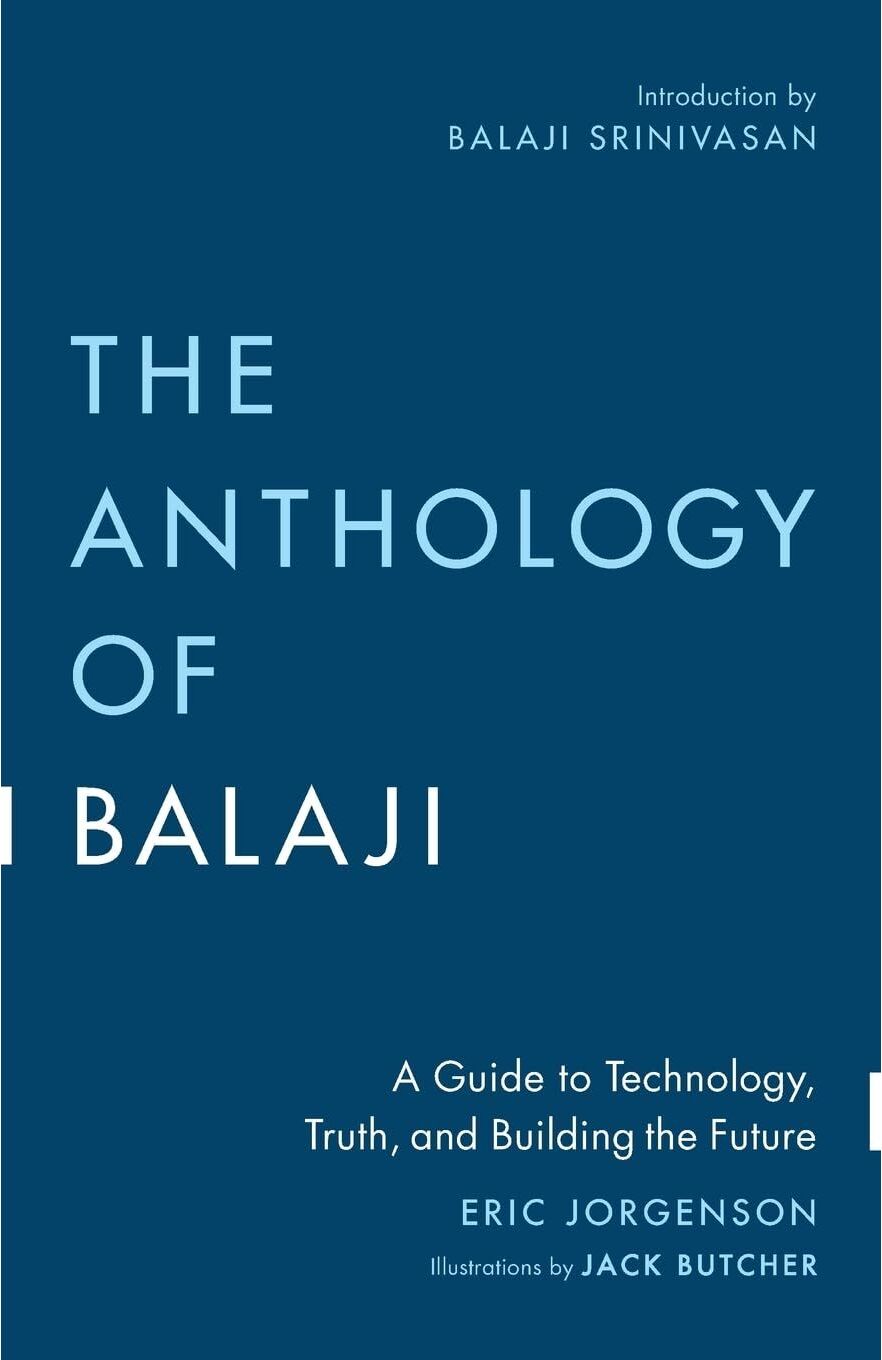
Magrathea Publishing The Anthology of Balaji: A Guide to Technology, Truth, and Building the FutureHow do you thrive in an unknown future? When you can’t see past the world we have now, look to visionaries like Balaji Srinivasan. His ideas show us how to build a healthier, brighter, and more technologically-advanced humanity. In The Anthology of Balaji: A Guide to Technology, Truth, and Building the Future, Eric Jorgenson curates a collection of Balaji’s wisdom from his entire career. In “Technology” you will see how technology shapes our world today and the ways it could shape our future. In “Truth” you learn how to think for yourself through the constant clamor of information and media. Finally, in “Building the Future,” you will learn how to wield Technology and Truth to change your life, change your community, and—maybe—change the future of our species. This guide will help you pick the next great investment, start a billion-dollar company, or even a new country. The Anthology of Balaji helps you visualize and build your brightest future.5,95 £*Shipping: 2,99 £Secure redirect to the provider
-
Uplift Essentials Armband Heart Rate Monitor With Bluetooth 5.0 And ANT+ Connectivity Armband Heart Rate Monitor With Bluetooth 5.0 And ANT+ ConnectivityTrain smarter and safer with this armband heart rate monitor featuring accurate optical HR tracking, calorie burn monitoring, and heart rate zone feedback. Designed for fitness enthusiasts, cyclists, and athletes, this device connects seamlessly to...126,97 $*Shipping: 0,00 $Secure redirect to the provider
-
HARPERCOLLINS Creative Confidence by Tom & David Kelley – Unleashing Your Creative Potential & Innovation MindsetA powerful and inspiring book from the founders of IDEO, the award-winning design firm, on unleashing the creativity that lies within each and every one of us. Too often, companies and individuals assume that creativity and innovation are the domain of the ‘creative types’. But two of the foremost experts in innovation, design and creativity on the planet show us that each and every one of us is creative. In an entertaining and inspiring narrative that draws on countless stories from their work at IDEO, and with many of the world's top companies and design firms, David and Tom Kelley identify the principles and strategies that will allow us to tap into our creative potential in our work lives, and in our personal lives, allow us to think outside the box in terms of how we approach and solve problems. ‘Creative Confidence’ is a book that will help each of us be more productive and successful in our lives and in our careers.4,95 £*Shipping: 1,99 £Secure redirect to the provider
-
What are sister chromatids exactly?
Sister chromatids are two identical copies of a single chromosome that are produced during DNA replication. They are held together at the centromere and are crucial for the accurate distribution of genetic material during cell division. Sister chromatids are separated and pulled to opposite ends of the cell during mitosis or meiosis, ensuring that each daughter cell receives an identical set of chromosomes. **
-
How many chromatids does a cell have?
A cell typically has 92 chromatids during the metaphase stage of mitosis. This is because each chromosome is made up of two sister chromatids that are joined together at the centromere. Therefore, when a cell has 46 chromosomes, it will have a total of 92 chromatids. **
-
How many chromatids does a human have?
A human typically has 46 chromatids, which are the replicated strands of DNA that make up the chromosomes. This is because humans have 23 pairs of chromosomes, and each chromosome consists of two sister chromatids joined together at the centromere. During cell division, these chromatids separate and are distributed to the daughter cells, ensuring that each cell receives the correct number of chromosomes. **
-
How many chromatids does a germ cell have?
A germ cell typically has 46 chromatids, which are formed from 23 pairs of chromosomes. During cell division, these chromatids separate and are distributed equally to form gametes (sperm or egg cells) with 23 chromosomes each. This process ensures that when two gametes combine during fertilization, the resulting zygote will have the correct number of chromosomes for normal development. **
Similar search terms for Chromatids
-
Yealink MeetingBoard 65-inch 4K Interactive Collaboration Display (MB65-A001)Yealink MeetingBoard 65 (MB65-A001): a 65-inch 4K Ultra HD LED-backlit interactive touch display for meeting rooms, with built-in camera, microphone array and speakers for Microsoft Teams Rooms and Zoom Rooms. Runs Android with a built-in processor and Wi-Fi.3896,99 £*Shipping: 0,00 £Secure redirect to the provider
-
Dell Pro Silent Wired Collaboration Keyboard KB525C UK QWERTY - BlackProfessional wired collaboration keyboard featuring spill-resistant design and silent key switches. Includes 15 programmable shortcut keys, dedicated Copilot key, and volume controls for enhanced productivity. Full numeric keypad and UK QWERTY layout with comprehensive 3-year NBD Advance Exchange support.45,99 £*Shipping: 0,00 £Secure redirect to the provider
-
Ring Battery Video Doorbell Pro – Advanced Home Security & Connectivity, NewUpgrade your home security with the Ring Battery Video Doorbell Pro – Wireless Video Doorbell Security Camera . Designed to give you peace of mind, it delivers a head-to-toe 1536p HD view so you can see every detail clearly, from visitors to parcels at your doorstep. With advanced 3D Motion Detection and Bird’s Eye View , you’ll always know what’s happening around your home. The built-in colour night vision ensures crisp images even in the dark, while the wire-free battery design makes installation simple and flexible. Stay connected anywhere with instant notifications, two-way talk, and full integration with the Ring app, Alexa devices, and more. ✔️ Wireless video doorbell – Easy to install with a rechargeable battery, no wiring needed ✔️ 1536p HD head-to-toe view – See visitors and packages clearly in high definition ✔️ 3D Motion Detection & Bird’s Eye View – Advanced alerts and aerial perspective for extra security ✔️ Colour night vision – Crystal-clear video even in low light or darkness ✔️ Two-way talk with noise cancellation – Hear and speak to visitors in real time ✔️ Customisable motion zones – Focus on the areas that matter most ✔️ Smart alerts & notifications – Instant updates on your phone via the Ring app ✔️ Alexa compatible – Works seamlessly with Echo devices for hands-free monitoring ✔️ Quick-release battery pack – Easy to recharge and swap for uninterrupted security ✔️ Durable design – Built to withstand outdoor weather conditions The Ring Battery Video Doorbell Pro combines advanced motion detection, high-definition video, and smart home integration in one sleek device. Perfect for enhancing your home security, it ensures you never miss a visitor or delivery, day or night.174,49 £*Shipping: 0,00 £Secure redirect to the provider
-
Holmegaard Future Tumbler, Clear, 4 pcs. - 12.5 ozPeter Svarrer's large tumblers in the Future range are both capacious and comfortable to hold. The glass, which has a volume of 12.5 oz, is ideal for everything from a cold beer or a long drink to colorful smoothies.41,49 $*Shipping: 0,00 $Secure redirect to the provider
-
What is the difference between chromosomes and chromatids?
Chromosomes are the structures that contain the genetic material of an organism, and they are made up of two identical sister chromatids that are held together by a centromere. Chromatids are the two identical copies of a chromosome that are produced during the process of DNA replication. When a cell is preparing to divide, the two chromatids separate and become individual chromosomes. Therefore, the main difference between chromosomes and chromatids is that chromatids are the duplicated copies of a chromosome, while chromosomes are the condensed and organized form of the genetic material. **
-
How is the mapping of chromatids done in biology?
In biology, the mapping of chromatids is done through a process called genetic mapping. This involves determining the order and relative distances between genes located on the same chromosome. By analyzing the frequency of genetic recombination events that occur between different genes during meiosis, scientists can create a genetic map that shows the relative positions of these genes along the chromosome. This mapping helps researchers understand the inheritance patterns of specific traits and can provide insights into genetic disorders and evolutionary relationships. **
-
What is the difference between chromosomes and sister chromatids?
Chromosomes are the condensed and coiled form of DNA that is present in the nucleus of a cell. They are made up of two sister chromatids, which are identical copies of each other formed through DNA replication. Sister chromatids are held together by a structure called the centromere. During cell division, sister chromatids separate and become individual chromosomes, which are then distributed to daughter cells. **
-
How many chromatids are there in the S phase?
In the S phase of the cell cycle, each chromosome consists of two sister chromatids. This means that there are a total of four chromatids for each chromosome during the S phase. The sister chromatids are exact copies of each other and are held together by a structure called the centromere. This duplication of genetic material is a crucial step in preparation for cell division. **
* All prices are inclusive of VAT and, if applicable, plus shipping costs. The offer information is based on the details provided by the respective shop and is updated through automated processes. Real-time updates do not occur, so deviations can occur in individual cases. ** Note: Parts of this content were created by AI.