Buy e-mediate.eu ?
We are moving the project
e-mediate.eu .
Are you interested in purchasing the domain
e-mediate.eu ?
domain@kv-gmbh.de · 0541-91531010
Buy e-mediate.eu ?
What is the difference between cylinder compressive strength and cube compressive strength?
Cylinder compressive strength and cube compressive strength are both measures of the ability of concrete to withstand compressive forces. The main difference between the two lies in the shape of the specimens used for testing. Cylinder compressive strength is measured using cylindrical specimens, while cube compressive strength is measured using cube-shaped specimens. The choice between the two depends on the specific requirements of the project and the testing standards being followed. **
What are compressive forces and tensile forces?
Compressive forces are forces that act to squeeze or compact an object, causing it to become shorter or more compact. Tensile forces, on the other hand, are forces that act to stretch or pull an object, causing it to become longer or more elongated. Both types of forces are important in understanding how materials respond to external loads and are critical in engineering and structural design. **


Similar search terms for Compressive
Top-Angebote
Products related to Compressive:
-
Uplift Essentials Armband Heart Rate Monitor With Bluetooth 5.0 And ANT+ Connectivity Armband Heart Rate Monitor With Bluetooth 5.0 And ANT+ ConnectivityTrain smarter and safer with this armband heart rate monitor featuring accurate optical HR tracking, calorie burn monitoring, and heart rate zone feedback. Designed for fitness enthusiasts, cyclists, and athletes, this device connects seamlessly to...126,97 $*Shipping: 0,00 $Secure redirect to the provider
-
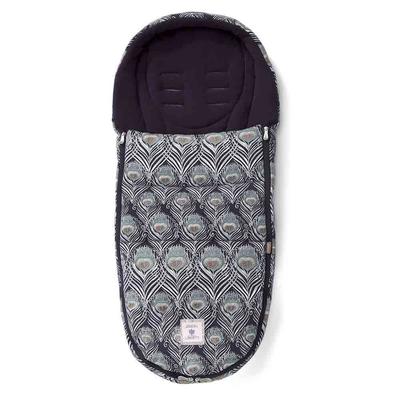
Mamas & Papas Special Edition Liberty Collaboration Cold Weather Plus FootmuffThe Cold Weather Plus Footmuff by Mamas & Papas is the ultimate footmuff for cold weather protection, and features an extra-soft fleece lining. Ideal for keeping baby warm and cozy when out and about in cool weather, you can even zip down to a liner...150,00 $*Shipping: 0,00 $Secure redirect to the provider
-
Inspire Essentials COOSPO HW9 Armband Heart Rate Monitor With Bluetooth And ANT Plus Connectivity COOSPO HW9 Armband Heart Rate Monitor With Bluetooth And ANT Plus ConnectivityTake your training to the next level with the COOSPO HW9 heart rate monitor, a highperformance fitness tracker designed for accuracy, comfort, and versatility. This armband heart rate monitor delivers realtime heart rate, calories, and zone tracking...102,48 $*Shipping: 0,00 $Secure redirect to the provider



-
What is the function of a compressive bandage?
A compressive bandage is used to apply pressure to a specific area of the body in order to reduce swelling, control bleeding, and provide support to injured muscles or joints. The pressure from the bandage helps to limit the movement of injured body parts, which can prevent further damage and promote healing. Additionally, compressive bandages can help improve blood circulation and reduce the risk of blood clots. **
-
What is the compressive strength of structural steel?
The compressive strength of structural steel typically ranges from 250 MPa to 400 MPa, depending on the grade and type of steel used. This high compressive strength makes structural steel a popular choice for construction projects where strength and durability are essential. It allows structural steel to withstand heavy loads and provide stability to buildings and other structures. **
-
What is the difference between compressive force and stress?
Compressive force is the external force applied to an object in a direction that tends to compress or shorten the object. Stress, on the other hand, is the internal resistance of a material to deformation under an applied force. In other words, compressive force is the external force acting on an object, while stress is the internal response of the object to that force. Stress is a measure of how much force is distributed over a given area, while compressive force is simply the magnitude of the force applied. **
-
What is the explanation for compressive stress and tensile stress?
Compressive stress occurs when a material is being pushed or squeezed, causing it to become shorter in length. This type of stress is caused by forces acting to compress the material. Tensile stress, on the other hand, occurs when a material is being pulled or stretched, causing it to become longer in length. This type of stress is caused by forces acting to stretch the material. Both compressive and tensile stress are important factors in understanding the behavior of materials under different types of loading conditions. **


What is the difference between compressive stresses and tensile stresses in concrete engineering?
Compressive stresses in concrete engineering refer to forces that tend to compress or shorten the material, while tensile stresses refer to forces that tend to stretch or elongate the material. Concrete is much stronger in compression than in tension, so it is important to design structures that can withstand both types of stresses. Reinforcing materials like steel bars are often used to help concrete withstand tensile stresses. **
What is the difference between compressive stress and tensile stress in concrete engineering?
Compressive stress in concrete engineering refers to the force that tends to crush or compact the material, while tensile stress refers to the force that tends to pull or stretch the material apart. In concrete, compressive stress is typically the dominant type of stress, as concrete is much stronger in compression than in tension. Tensile stress can lead to cracking and failure in concrete structures, which is why reinforcement such as steel bars are often used to counteract this type of stress. **
Top-Angebote
Products related to Compressive:
-
Magrathea Publishing The Anthology of Balaji: A Guide to Technology, Truth, and Building the FutureHow do you thrive in an unknown future? When you can’t see past the world we have now, look to visionaries like Balaji Srinivasan. His ideas show us how to build a healthier, brighter, and more technologically-advanced humanity. In The Anthology of Balaji: A Guide to Technology, Truth, and Building the Future, Eric Jorgenson curates a collection of Balaji’s wisdom from his entire career. In “Technology” you will see how technology shapes our world today and the ways it could shape our future. In “Truth” you learn how to think for yourself through the constant clamor of information and media. Finally, in “Building the Future,” you will learn how to wield Technology and Truth to change your life, change your community, and—maybe—change the future of our species. This guide will help you pick the next great investment, start a billion-dollar company, or even a new country. The Anthology of Balaji helps you visualize and build your brightest future.5,95 £*Shipping: 2,99 £Secure redirect to the provider
-
HARPERCOLLINS Creative Confidence by Tom & David Kelley – Unleashing Your Creative Potential & Innovation MindsetA powerful and inspiring book from the founders of IDEO, the award-winning design firm, on unleashing the creativity that lies within each and every one of us. Too often, companies and individuals assume that creativity and innovation are the domain of the ‘creative types’. But two of the foremost experts in innovation, design and creativity on the planet show us that each and every one of us is creative. In an entertaining and inspiring narrative that draws on countless stories from their work at IDEO, and with many of the world's top companies and design firms, David and Tom Kelley identify the principles and strategies that will allow us to tap into our creative potential in our work lives, and in our personal lives, allow us to think outside the box in terms of how we approach and solve problems. ‘Creative Confidence’ is a book that will help each of us be more productive and successful in our lives and in our careers.4,95 £*Shipping: 1,99 £Secure redirect to the provider
-
Uplift Essentials Armband Heart Rate Monitor With Bluetooth 5.0 And ANT+ Connectivity Armband Heart Rate Monitor With Bluetooth 5.0 And ANT+ ConnectivityTrain smarter and safer with this armband heart rate monitor featuring accurate optical HR tracking, calorie burn monitoring, and heart rate zone feedback. Designed for fitness enthusiasts, cyclists, and athletes, this device connects seamlessly to...126,97 $*Shipping: 0,00 $Secure redirect to the provider
-
Mamas & Papas Special Edition Liberty Collaboration Cold Weather Plus FootmuffThe Cold Weather Plus Footmuff by Mamas & Papas is the ultimate footmuff for cold weather protection, and features an extra-soft fleece lining. Ideal for keeping baby warm and cozy when out and about in cool weather, you can even zip down to a liner...150,00 $*Shipping: 0,00 $Secure redirect to the provider
-
What is the difference between cylinder compressive strength and cube compressive strength?
Cylinder compressive strength and cube compressive strength are both measures of the ability of concrete to withstand compressive forces. The main difference between the two lies in the shape of the specimens used for testing. Cylinder compressive strength is measured using cylindrical specimens, while cube compressive strength is measured using cube-shaped specimens. The choice between the two depends on the specific requirements of the project and the testing standards being followed. **
-
What are compressive forces and tensile forces?
Compressive forces are forces that act to squeeze or compact an object, causing it to become shorter or more compact. Tensile forces, on the other hand, are forces that act to stretch or pull an object, causing it to become longer or more elongated. Both types of forces are important in understanding how materials respond to external loads and are critical in engineering and structural design. **
-
What is the function of a compressive bandage?
A compressive bandage is used to apply pressure to a specific area of the body in order to reduce swelling, control bleeding, and provide support to injured muscles or joints. The pressure from the bandage helps to limit the movement of injured body parts, which can prevent further damage and promote healing. Additionally, compressive bandages can help improve blood circulation and reduce the risk of blood clots. **
-
What is the compressive strength of structural steel?
The compressive strength of structural steel typically ranges from 250 MPa to 400 MPa, depending on the grade and type of steel used. This high compressive strength makes structural steel a popular choice for construction projects where strength and durability are essential. It allows structural steel to withstand heavy loads and provide stability to buildings and other structures. **
Similar search terms for Compressive
-
Inspire Essentials COOSPO HW9 Armband Heart Rate Monitor With Bluetooth And ANT Plus Connectivity COOSPO HW9 Armband Heart Rate Monitor With Bluetooth And ANT Plus ConnectivityTake your training to the next level with the COOSPO HW9 heart rate monitor, a highperformance fitness tracker designed for accuracy, comfort, and versatility. This armband heart rate monitor delivers realtime heart rate, calories, and zone tracking...102,48 $*Shipping: 0,00 $Secure redirect to the provider
-
Uplift Essentials N50 High Efficiency Cat Litter Deodorizer Blocks N50 High Efficiency Cat Litter Deodorizer BlocksTake control of your homes air quality with the N50 cat litter deodorizer blocks. These professionalgrade odor eliminators are engineered to neutralize stubborn ammonia and waste smells at the source, rather than just masking them with heavy...142,97 $*Shipping: 0,00 $Secure redirect to the provider
-
Uplifted Goods Architectural 3D LED High Definition Digital Timepiece eIlluminate your environment with this high quality 3D LED digital clock. It is made from high quality, impact resistant synthetic materials and specialized luminous components that provide a stable and futuristic aesthetic for your home. Whether you...49,97 $*Shipping: 0,00 $Secure redirect to the provider
-
What is the difference between compressive force and stress?
Compressive force is the external force applied to an object in a direction that tends to compress or shorten the object. Stress, on the other hand, is the internal resistance of a material to deformation under an applied force. In other words, compressive force is the external force acting on an object, while stress is the internal response of the object to that force. Stress is a measure of how much force is distributed over a given area, while compressive force is simply the magnitude of the force applied. **
-
What is the explanation for compressive stress and tensile stress?
Compressive stress occurs when a material is being pushed or squeezed, causing it to become shorter in length. This type of stress is caused by forces acting to compress the material. Tensile stress, on the other hand, occurs when a material is being pulled or stretched, causing it to become longer in length. This type of stress is caused by forces acting to stretch the material. Both compressive and tensile stress are important factors in understanding the behavior of materials under different types of loading conditions. **
-
What is the difference between compressive stresses and tensile stresses in concrete engineering?
Compressive stresses in concrete engineering refer to forces that tend to compress or shorten the material, while tensile stresses refer to forces that tend to stretch or elongate the material. Concrete is much stronger in compression than in tension, so it is important to design structures that can withstand both types of stresses. Reinforcing materials like steel bars are often used to help concrete withstand tensile stresses. **
-
What is the difference between compressive stress and tensile stress in concrete engineering?
Compressive stress in concrete engineering refers to the force that tends to crush or compact the material, while tensile stress refers to the force that tends to pull or stretch the material apart. In concrete, compressive stress is typically the dominant type of stress, as concrete is much stronger in compression than in tension. Tensile stress can lead to cracking and failure in concrete structures, which is why reinforcement such as steel bars are often used to counteract this type of stress. **
* All prices are inclusive of VAT and, if applicable, plus shipping costs. The offer information is based on the details provided by the respective shop and is updated through automated processes. Real-time updates do not occur, so deviations can occur in individual cases. ** Note: Parts of this content were created by AI.