Buy e-mediate.eu ?
We are moving the project
e-mediate.eu .
Are you interested in purchasing the domain
e-mediate.eu ?
domain@kv-gmbh.de · 0541-91531010
Buy e-mediate.eu ?
What is the difference between conditional and conditional?
The question seems to have a typo. It appears to be asking for the difference between "conditional" and "condition." A "conditional" typically refers to something that is dependent on a certain condition or situation, such as an "if-then" statement in programming or a requirement that must be met. On the other hand, a "condition" is the specific circumstance or state that must be satisfied for the conditional to be true or for something to happen. In essence, a condition sets the criteria for a conditional to be applicable or valid. **
What are signal words for Conditional 1 and Conditional 2?
Signal words for Conditional 1 include "if," "when," "unless," and "provided that." These words indicate a possible future condition and its likely result. Signal words for Conditional 2 include "would," "could," "might," and "should." These words suggest a hypothetical or unlikely condition and its potential outcome. **

Similar search terms for Conditional
Top-Angebote
Products related to Conditional:
-
Sesderma Reti Age 5 Liposomal Serum Anti-Aging Innovation 30mLA facial serum for wrinkles and signs of ageing. Reduces wrinkles and fine lines. Hydrates and strengthens barrier. Restores youthful radiance. 5-Retinoid System: smooths wrinkles, accelerates renewal, and boosts collagen. Biomimetic Peptides: fill expression lines by stimulating collagen synthesis.54,51 £*Shipping: 5,34 £Secure redirect to the provider
-
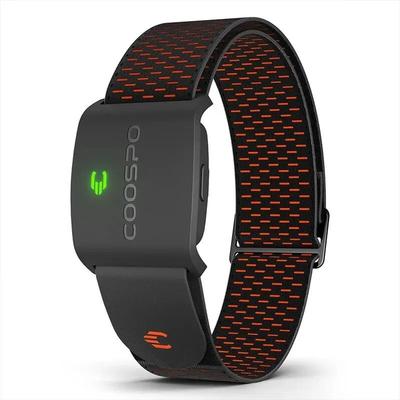
Uplift Essentials Armband Heart Rate Monitor With Bluetooth 5.0 And ANT+ Connectivity Armband Heart Rate Monitor With Bluetooth 5.0 And ANT+ ConnectivityTrain smarter and safer with this armband heart rate monitor featuring accurate optical HR tracking, calorie burn monitoring, and heart rate zone feedback. Designed for fitness enthusiasts, cyclists, and athletes, this device connects seamlessly to...126,97 $*Shipping: 0,00 $Secure redirect to the provider
-
Mamas & Papas Special Edition Liberty Collaboration Cold Weather Plus FootmuffThe Cold Weather Plus Footmuff by Mamas & Papas is the ultimate footmuff for cold weather protection, and features an extra-soft fleece lining. Ideal for keeping baby warm and cozy when out and about in cool weather, you can even zip down to a liner...150,00 $*Shipping: 0,00 $Secure redirect to the provider



-
Is the conditional 1 the same as the conditional present?
Yes, the conditional 1 is the same as the conditional present. In English grammar, the conditional 1 is used to talk about hypothetical situations and their possible outcomes in the present or future. It is formed by using the auxiliary verb "would" followed by the base form of the main verb. This is the same structure used for the conditional present tense, making them essentially the same tense with different names. **
-
What is conditional formatting?
Conditional formatting is a feature in spreadsheet applications that allows users to apply formatting rules to cells based on specific conditions. This feature helps users to visually highlight important information, trends, or outliers in their data. For example, users can set up rules to automatically change the color of cells that meet certain criteria, such as values above a certain threshold. Conditional formatting helps to make data analysis easier and more efficient by drawing attention to key insights. **
-
Conditional, subjunctive or indicative?
The choice between conditional, subjunctive, or indicative mood depends on the context of the sentence. The conditional mood is used to express a hypothetical situation or a condition that is dependent on something else happening. The subjunctive mood is used to express wishes, recommendations, or possibilities. The indicative mood is used to state facts or ask questions. **
-
Which sentences belong to Type 1 conditional sentences, future or present?
Type 1 conditional sentences typically refer to present or future situations that are likely to happen. Sentences that belong to Type 1 conditionals usually have the structure "if + present simple, will + base form." For example, "If it rains, I will bring an umbrella." In this sentence, the condition (rain) is in the present tense, and the result (bring an umbrella) is in the future tense. **


What does the Conditional express?
The Conditional expresses a situation or action that is dependent on another situation or action. It is used to talk about hypothetical or possible events in the future, and it often involves the use of the words "if" or "when." The Conditional helps to convey the idea of cause and effect, and it allows us to discuss potential outcomes based on certain conditions being met. **
How is the conditional formed?
The conditional in English is formed by using the modal verb "would" followed by the base form of the main verb. For example, "I would go" or "She would study." The conditional is used to talk about hypothetical situations, future possibilities, or polite requests. It is important to note that the conditional is often used with an "if" clause to show the condition that must be met for the action to take place. **
Top-Angebote
Products related to Conditional:
-
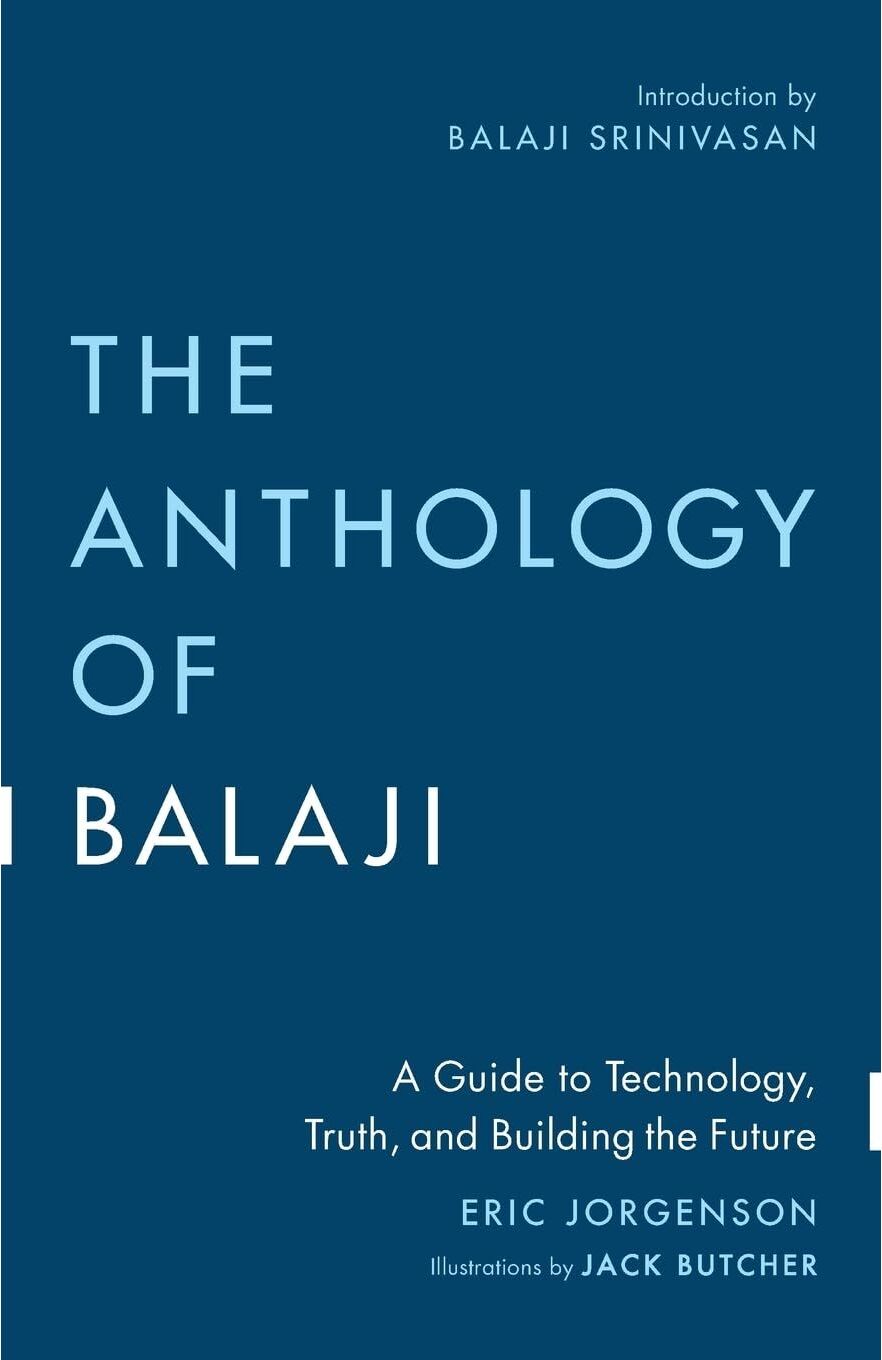
Magrathea Publishing The Anthology of Balaji: A Guide to Technology, Truth, and Building the FutureHow do you thrive in an unknown future? When you can’t see past the world we have now, look to visionaries like Balaji Srinivasan. His ideas show us how to build a healthier, brighter, and more technologically-advanced humanity. In The Anthology of Balaji: A Guide to Technology, Truth, and Building the Future, Eric Jorgenson curates a collection of Balaji’s wisdom from his entire career. In “Technology” you will see how technology shapes our world today and the ways it could shape our future. In “Truth” you learn how to think for yourself through the constant clamor of information and media. Finally, in “Building the Future,” you will learn how to wield Technology and Truth to change your life, change your community, and—maybe—change the future of our species. This guide will help you pick the next great investment, start a billion-dollar company, or even a new country. The Anthology of Balaji helps you visualize and build your brightest future.5,95 £*Shipping: 2,99 £Secure redirect to the provider
-
HARMAN Professional Solutions Soundcraft Si Expression 2 24-Channel Digital Mixer (5035678)Soundcraft Si Expression Digital Mixer Drawing on more than a decade of experience in the field of digital audio mixing, the Soundcraft Si Expression exploits some of the est DSP, component technology and manufacturing techniques to deliver our most powerful cost effective digital console ever! Each console in the range is identical in its feature set so your only choice is how many faders and local mic amps you want. With a range covering the super portable 19" rack mount Expression 1 to the mighty Si Expression 3 with its 30+2 faders and 32 mic/line inputs there is a model to meet all needs. The Si Expression 2 features 24 recallable mic pre amps (16 on Si Expression 1 and 32 on Si Expression 3) plus 4 line inputs, 4 internal stereo FX returns, AES in, and a 64x64 expansion slot offering more than enough scope to use every one of the 66 input processing channels. Every input processing channel has dedicated processing for high pass filter, input delay, gate, compressor and four band EQ wh3197,49 £*Shipping: 0,00 £Secure redirect to the provider
-
Sesderma Reti Age 5 Liposomal Serum Anti-Aging Innovation 30mLA facial serum for wrinkles and signs of ageing. Reduces wrinkles and fine lines. Hydrates and strengthens barrier. Restores youthful radiance. 5-Retinoid System: smooths wrinkles, accelerates renewal, and boosts collagen. Biomimetic Peptides: fill expression lines by stimulating collagen synthesis.54,51 £*Shipping: 5,34 £Secure redirect to the provider
-
What is the difference between conditional and conditional?
The question seems to have a typo. It appears to be asking for the difference between "conditional" and "condition." A "conditional" typically refers to something that is dependent on a certain condition or situation, such as an "if-then" statement in programming or a requirement that must be met. On the other hand, a "condition" is the specific circumstance or state that must be satisfied for the conditional to be true or for something to happen. In essence, a condition sets the criteria for a conditional to be applicable or valid. **
-
What are signal words for Conditional 1 and Conditional 2?
Signal words for Conditional 1 include "if," "when," "unless," and "provided that." These words indicate a possible future condition and its likely result. Signal words for Conditional 2 include "would," "could," "might," and "should." These words suggest a hypothetical or unlikely condition and its potential outcome. **
-
Is the conditional 1 the same as the conditional present?
Yes, the conditional 1 is the same as the conditional present. In English grammar, the conditional 1 is used to talk about hypothetical situations and their possible outcomes in the present or future. It is formed by using the auxiliary verb "would" followed by the base form of the main verb. This is the same structure used for the conditional present tense, making them essentially the same tense with different names. **
-
What is conditional formatting?
Conditional formatting is a feature in spreadsheet applications that allows users to apply formatting rules to cells based on specific conditions. This feature helps users to visually highlight important information, trends, or outliers in their data. For example, users can set up rules to automatically change the color of cells that meet certain criteria, such as values above a certain threshold. Conditional formatting helps to make data analysis easier and more efficient by drawing attention to key insights. **
Similar search terms for Conditional
-
Uplift Essentials Armband Heart Rate Monitor With Bluetooth 5.0 And ANT+ Connectivity Armband Heart Rate Monitor With Bluetooth 5.0 And ANT+ ConnectivityTrain smarter and safer with this armband heart rate monitor featuring accurate optical HR tracking, calorie burn monitoring, and heart rate zone feedback. Designed for fitness enthusiasts, cyclists, and athletes, this device connects seamlessly to...126,97 $*Shipping: 0,00 $Secure redirect to the provider
-
Mamas & Papas Special Edition Liberty Collaboration Cold Weather Plus FootmuffThe Cold Weather Plus Footmuff by Mamas & Papas is the ultimate footmuff for cold weather protection, and features an extra-soft fleece lining. Ideal for keeping baby warm and cozy when out and about in cool weather, you can even zip down to a liner...150,00 $*Shipping: 0,00 $Secure redirect to the provider
-
Yealink MeetingBoard 65-inch 4K Interactive Collaboration Display (MB65-A001)Yealink MeetingBoard 65 (MB65-A001): a 65-inch 4K Ultra HD LED-backlit interactive touch display for meeting rooms, with built-in camera, microphone array and speakers for Microsoft Teams Rooms and Zoom Rooms. Runs Android with a built-in processor and Wi-Fi.3896,99 £*Shipping: 0,00 £Secure redirect to the provider
-
Dell Pro Silent Wired Collaboration Keyboard KB525C UK QWERTY - BlackProfessional wired collaboration keyboard featuring spill-resistant design and silent key switches. Includes 15 programmable shortcut keys, dedicated Copilot key, and volume controls for enhanced productivity. Full numeric keypad and UK QWERTY layout with comprehensive 3-year NBD Advance Exchange support.45,99 £*Shipping: 0,00 £Secure redirect to the provider
-
Conditional, subjunctive or indicative?
The choice between conditional, subjunctive, or indicative mood depends on the context of the sentence. The conditional mood is used to express a hypothetical situation or a condition that is dependent on something else happening. The subjunctive mood is used to express wishes, recommendations, or possibilities. The indicative mood is used to state facts or ask questions. **
-
Which sentences belong to Type 1 conditional sentences, future or present?
Type 1 conditional sentences typically refer to present or future situations that are likely to happen. Sentences that belong to Type 1 conditionals usually have the structure "if + present simple, will + base form." For example, "If it rains, I will bring an umbrella." In this sentence, the condition (rain) is in the present tense, and the result (bring an umbrella) is in the future tense. **
-
What does the Conditional express?
The Conditional expresses a situation or action that is dependent on another situation or action. It is used to talk about hypothetical or possible events in the future, and it often involves the use of the words "if" or "when." The Conditional helps to convey the idea of cause and effect, and it allows us to discuss potential outcomes based on certain conditions being met. **
-
How is the conditional formed?
The conditional in English is formed by using the modal verb "would" followed by the base form of the main verb. For example, "I would go" or "She would study." The conditional is used to talk about hypothetical situations, future possibilities, or polite requests. It is important to note that the conditional is often used with an "if" clause to show the condition that must be met for the action to take place. **
* All prices are inclusive of VAT and, if applicable, plus shipping costs. The offer information is based on the details provided by the respective shop and is updated through automated processes. Real-time updates do not occur, so deviations can occur in individual cases. ** Note: Parts of this content were created by AI.